Every piece of jewellery tells a story, but few carry the weight of culture and heritage quite like the Gamkharu. For an Assamese woman, wearing this distinct, broad cuff is not merely a fashion statement—it is an embrace of her identity, a nod to generations of tradition, and a visible symbol of grace and strength. This magnificent piece of adornment transcends the material value of its gold or silver; it is a cultural anchor in a rapidly modernizing world. This article serves as your definitive guide to the Gamkharu, exploring its rich history, intricate design, symbolism, price points, and the elegant ways Assamese women continue to wear this timeless treasure today.
What is Gamkharu?
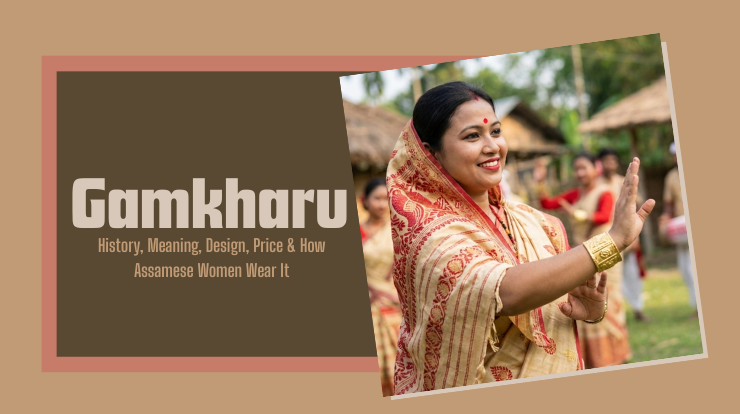
The Gamkharu is a traditional, broad-based cuff bracelet that fastens around the wrist. The name itself is rooted in the Assamese language: “Gam” refers to the hand or wrist, and “Kharu” means bangle or bracelet.
It is arguably the most recognizable piece of traditional Assamese jewellery. While many ornaments are worn for beauty alone, the Gamkharu functions as an identity marker for Assamese women, instantly communicating their cultural roots and connection to the Brahmaputra Valley’s rich heritage.
History and Origin of Gamkharu
The historical roots of the Gamkharu reach back to the powerful Ahom dynasty that ruled Assam for six centuries. During this era, robust, heavy bangles were worn by both men and women as symbols of status, power, and protection.
Over centuries, as cultural norms evolved, the Gamkharu transitioned primarily into a cherished female ornament. It moved from being a daily assertion of royal status to becoming an essential component of ceremonial attire. Artisans (Sonaris) perfected the craft, embedding local natural motifs into the metalwork, ensuring the ornament remained distinctly Assamese. The techniques used today are a direct continuation of these Ahom-era traditions, linking contemporary wearers to their ancestral past.
Cultural Significance of Gamkharu
The Assamese Gamkharu holds profound symbolic meaning. It is a potent emblem of prosperity, good fortune, and the strength of womanhood.
- Festivals and Celebrations: During major festivals like Bohag Bihu, women dress in traditional Mekhela Chador and accessorize with their finest Gamkharu, embodying the festive spirit and communal pride.
- Weddings: It is a vital part of a bride’s trousseau. Gifting a Gamkharu symbolizes the parents’ wishes for the bride’s lasting prosperity and happiness in her new life. It represents an unbroken circle of family heritage.
- Emotional Value: Often passed down through generations—from mother to daughter—the Gamkharu is more than gold; it is an heirloom thick with memory, love, and family history.
Design and Craftsmanship of Gamkharu
The design of a Gamkharu is instantly identifiable due to its distinctive structure and detailed artwork.
- Shape and Size: It is typically a wide cuff, often two to three inches in width, designed to sit snugly on the wrist.
- The Screw-Lock Mechanism: A hallmark of authentic craftsmanship is the traditional screw or pin lock system (khil). This secure closure method is sturdy and designed for durability, reflecting the heritage utility of the piece.
- Enamel (Mina) Work: While gold is the primary material, many premium designs feature subtle mina (enamel) work in traditional colours like red and green, which highlight the engraved patterns such as fish scales, floral motifs, and peacock designs.
- Handmade vs Machine-made: Genuine Gamkharu are painstakingly handmade by skilled Sonaris. Machine-made copies often lack the depth, precision, and unique character of the handcrafted originals. The human touch is visible in the slight variations in pattern and finish.
Materials Used in Gamkharu
The materials define the quality and price of this traditional Assamese bangle.
- Gold: The most traditional and prized material. Gamkharu were historically made of high-carat gold (22k or 24k).
- Silver-Based Alternatives: Due to the rising price of gold, many contemporary and budget-friendly versions use a substantial silver base which is then heavily plated with gold. These offer the same look and feel at a fraction of the cost.
- Lac Filling: The interior of the bangle is typically filled with lac (a natural resin) to provide structural strength, volume, and durability, a practice common in much of Indian traditional jewellery.
Types of Gamkharu
The market offers various options catering to different budgets and preferences while maintaining the core aesthetic of the Gamkharu.
Traditional Gold Gamkharu
These are the authentic heirlooms. Made of solid gold, they are investments as much as they are jewellery.
- Design: Heavy, pure gold, often featuring red mina accents.
- Price Range: Premium (dependent on current gold market prices and weight).
Gold-Plated Gamkharu
The ideal choice for those seeking the traditional look without the premium investment.
- Ideal Users: Festival wearers, younger women, or those who wear the jewellery occasionally. They offer visual appeal and durability for occasional use.
Silver Gamkharu
A modern adaptation. Crafted purely from silver, these are popular among those who prefer a contemporary metallic look over traditional gold.
- Styling: Excellent for pairing with fusion wear or silver-focused outfits.
Modern Designer Gamkharu
These pieces maintain the width and shape of the traditional Gamkharu, but incorporate contemporary designs, different gemstone settings, or lighter structural forms to appeal to modern fashion sensibilities.
Gamkharu Price Guide
The price of a Gamkharu is highly variable.
| Price Tier | Material | Craftsmanship | Factors |
|---|---|---|---|
| Budget | Silver-based, gold-plated | Machine-assisted | Lighter weight, common designs |
| Mid-Range | High-quality silver base, heavy gold plating | Handmade, detailed | Intricate patterns, durable plating |
| Premium | 22k Gold (Solid) | Master artisan, detailed mina | Gold weight is the primary factor |
Factors affecting the price include current gold market rates, the weight of the metal, the intricacy of the Sonari‘s handiwork, and whether the purchase is made online or via established offline jewelers in Assam.
How to Identify Original Gamkharu
Ensuring you purchase an authentic Assamese Gamkharu requires attention to detail:
- Craftsmanship Indicators: Look for minor imperfections inherent in hand-engraved designs. Perfect symmetry often suggests factory machine production.
- Weight and Finish: Authentic pieces, even silver-based ones, have a substantial, solid feel due to the lac filling and heavy metalwork.
- Enamel Quality: Mina work should be smooth, uniformly coloured, and precisely within the engraved lines.
- Signs of Imitation: Beware of overly light bangles or designs that seem mass-produced with generic Indian motifs rather than specific Assamese cultural patterns. Look for hallmarks if purchasing gold.
How to Wear and Style Gamkharu
The beauty of the Gamkharu lies in its versatility across different styles of dress.
- With Mekhela Chador: This is the classic pairing. The broad gold cuff beautifully complements the rich silks and cottons of the traditional drape, typically worn on both wrists for balance.
- With Sarees: The bold structure makes the Gamkharu a statement piece with silk or cotton sarees, offering an elegant ethnic look for formal events.
- Bridal Styling: Brides often wear a pair of heavy Gamkharu layered with other thinner gold bangles (muga xoru), creating a dazzling bridal arm stack.
- Indo-Western Fashion Ideas: The Gamkharu works surprisingly well as a solo statement cuff paired with minimalist linen dresses, black turtlenecks, or smart casual wear, offering a unique fusion of traditional and modern aesthetics.
Care and Maintenance of Gamkharu
To preserve the beauty and longevity of your heirloom:
- Cleaning Tips: Use a soft, dry cloth to polish gently. Avoid harsh chemical cleaners, which can damage the mina work or gold plating.
- Storage Practices: Store the Gamkharu in a separate, fabric-lined box to prevent scratches from other jewellery.
- Prevent Enamel Damage: The lac and mina work are sensitive to extreme heat and moisture. Keep the bangle dry and remove it before swimming or bathing.
FAQs
Is Gamkharu worn daily?
Traditionally, heavily embellished gold Gamkharu were reserved for special occasions and festivals. Lighter, simpler versions or gold-plated bangles are more common for daily wear today.
Which hand is Gamkharu worn on?
Gamkharu are typically worn in pairs, one on each wrist, for symmetry and balance with traditional attire.
Is Gamkharu only for married women?
While often a key part of bridal wear, the Gamkharu is worn by unmarried young women as well, particularly during cultural festivals like Bihu.
How heavy is a traditional Gamkharu?
A traditional, solid gold Gamkharu can be quite substantial, often weighing several tolas (a traditional unit of weight), making them significant investments.
Can Gamkharu be gifted?
Yes, gifting a Gamkharu is a highly valued gesture, symbolizing a wish for prosperity and good fortune for the recipient.
How long does a Gamkharu last?
With proper care, a well-made gold Gamkharu can last for generations as a durable family heirloom.
The Gamkharu is far more than an ornamental accessory; it is a wearable piece of Assamese history, a testament to master craftsmanship, and a cherished symbol of cultural identity. By understanding its origins and appreciating the skilled artistry involved in its creation, wearers preserve a vital piece of Assamese heritage. Whether passed down as a family heirloom or acquired as a new statement piece, the Gamkharu continues to bind the past and present, offering elegance and a deep cultural connection to all who wear it respectfully.